Description
BPC-157 Classification
BPC-157 is classified as a synthetic peptide compound derived from a naturally occurring protein fragment found in gastric juice. In the research and wellness space, it is commonly grouped under:
- Body Protection Compounds (BPC series)
- Experimental recovery peptides
- Laboratory research peptides
- Regenerative research substances
- Gastroprotective peptide analogues
It is important to understand that BPC-157 is not classified as a licensed medicinal product in the UK. Instead, it is typically sold for research and laboratory purposes, where its biological interactions and potential supportive properties continue to be studied.
Because of its growing reputation within the research community, BPC-157 has gained attention among individuals interested in:
- Recovery-focused wellness research
- Musculoskeletal and connective tissue studies
- Gut and digestive system research
- Cellular repair mechanisms
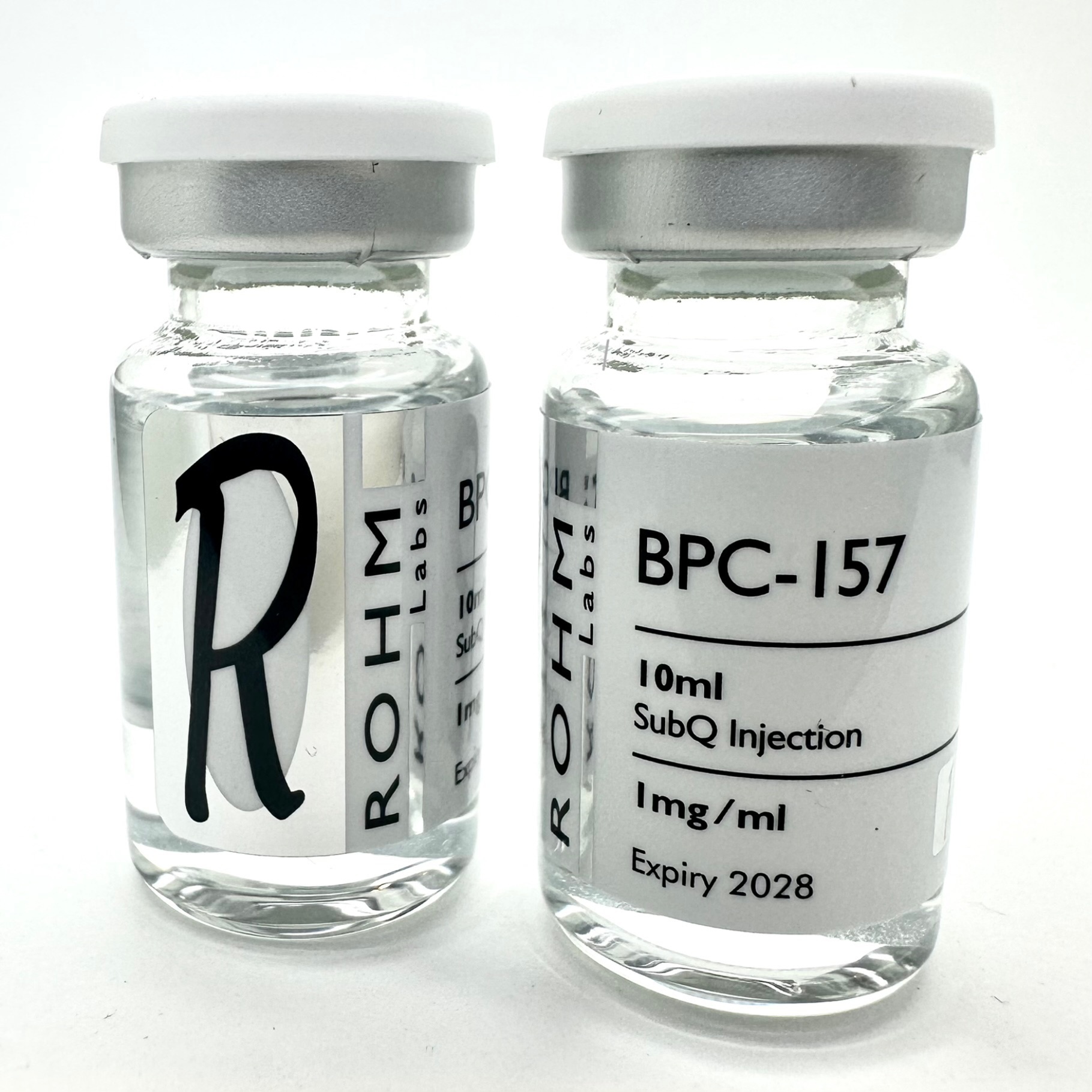
At Steroids UK Outlet, we supply high-purity BPC-157 manufactured to strict quality standards, ensuring consistency and reliability for research use.
What is BPC-157?
BPC-157 stands for Body Protection Compound-157, a peptide made up of 15 amino acids. It is a synthetic version of a protein fragment originally isolated from human gastric juice. Researchers have been interested in this compound due to its interaction with:
- Tissue repair pathways
- Blood vessel formation (angiogenesis)
- Gastrointestinal lining protection
- Cellular signalling processes
In laboratory studies, BPC-157 has demonstrated a unique ability to remain stable in gastric environments, which is unusual for peptide compounds. This stability has led to ongoing research into its role in:
- Supporting connective tissue integrity
- Studying recovery mechanisms
- Exploring gut lining protection
- Examining soft tissue response
Due to these characteristics, BPC-157 has become a popular compound within the peptide research market across the UK and Europe.
Recommended Dosage for BPC-157
As BPC-157 is supplied for research purposes only, there is no officially approved medical dosage in the UK. However, within research environments, protocols are often structured around measured microgram quantities.
Research-based handling guidelines often reference:
- Measured microgram-level quantities
- Carefully controlled administration methods
- Cycle-based research protocols
- Strict laboratory measurement standards
Key considerations in research settings include:
- Consistency in measurement
- Controlled environment handling
- Accurate dilution procedures
- Proper storage and preparation
Important: This product is not intended for self-administration or medical use. Always follow laboratory safety standards.
How Does BPC-157 Work?
BPC-157 interacts with several biological signalling pathways studied in laboratory models. Its mechanism of interest revolves around its influence on:
- Growth factor activity
- Blood vessel development
- Nitric oxide pathways
- Collagen production processes
- Cellular migration and repair signals
Researchers suggest BPC-157 may play a role in:
- Supporting communication between cells
- Encouraging angiogenesis (formation of new blood vessels)
- Modulating inflammatory signalling
- Assisting tissue structure maintenance
This combination of actions is what makes BPC-157 a key focus in regenerative peptide research.
Benefits of Taking BPC-157
While not approved as a medicine, research discussions often associate BPC-157 with potential supportive effects studied in controlled environments:
- Connective tissue research support
- Muscle and tendon recovery investigation
- Joint structure studies
- Gastrointestinal lining research
- Circulatory system interaction studies
- Cellular regeneration pathways
Researchers are particularly interested in its potential role in:
- Tendon-to-bone repair models
- Ligament recovery research
- Muscle fibre response studies
- Gastric tissue protection models
These areas continue to be explored, contributing to its growing popularity within the peptide research field.
When Should You Take BPC-157
In research settings, timing protocols are structured to observe biological response patterns. Studies often examine:
- Consistent administration intervals
- Controlled cycle durations
- Observation periods for tissue response
- Recovery-phase research windows
Researchers sometimes focus on:
- Post-strain tissue studies
- Gastrointestinal research phases
- Connective tissue modelling
This structured timing allows laboratories to monitor biological changes accurately.
When Should You Not Take BPC-157?
Because BPC-157 is not licensed for human consumption, it should not be used as:
- A replacement for prescribed treatment
- A self-directed recovery solution
- A medical therapy
- A supplement without professional oversight
Avoid use in any of the following situations:
- During pregnancy or breastfeeding
- If you have a diagnosed medical condition
- If you are taking prescription medication
- Without medical supervision
This compound is intended strictly for laboratory and research environments.
What is the Mechanism of BPC-157
The mechanism of BPC-157 is a central area of peptide research. Laboratory findings suggest it may influence:
- Angiogenic signalling (VEGF pathways)
- Nitric oxide synthesis
- Fibroblast activity
- Collagen formation
- Cellular migration signals
It is also studied for its interaction with:
- Dopaminergic pathways
- Inflammatory response modulators
- Gastrointestinal mucosal defence systems
These mechanisms contribute to its classification as a regenerative research peptide.
Uses of BPC-157
In research environments, BPC-157 is commonly examined for:
- Tendon research models
- Ligament recovery studies
- Muscle fibre repair investigations
- Gut lining research
- Wound healing models
- Soft tissue regeneration studies
It is frequently used in:
- Sports science research
- Regenerative medicine studies
- Peptide interaction research
- Cellular biology investigations
Warnings and Precautions for BPC-157
Before handling BPC-157 in any research context, consider:
- Use only in controlled laboratory settings
- Keep away from children and pets
- Avoid contact with skin or eyes
- Do not ingest
- Use proper lab safety equipment
Always:
- Store under recommended conditions
- Label correctly
- Handle with sterile equipment
Side Effects of BPC-157
Because human clinical approval is lacking, side effect data is limited. Research discussions have referenced:
- Localised irritation (in experimental contexts)
- Temporary discomfort
- Biological response variability
Due to limited clinical data, safety in humans has not been established.
Storage for BPC-157
To maintain stability:
- Store in a cool environment
- Keep refrigerated once reconstituted (research settings)
- Protect from light exposure
- Avoid repeated temperature changes
- Keep sealed until use
Proper storage ensures peptide integrity.
Where to Buy BPC-157? – Steroids UK Outlet
If you are looking for high-quality BPC-157 in the UK, Steroids UK Outlet offers:
- Lab-grade purity
- Secure UK shipping
- Discreet packaging
- Quality-tested batches
- Reliable customer service
We are a trusted UK supplier for research compounds, providing consistency, safety, and professional standards.
Frequently Asked Questions
Is BPC-157 legal in the UK?
It is legal to purchase for research purposes but is not approved for human use.
Is it a steroid?
No, BPC-157 is a peptide, not a steroid hormone.
Can I use it for injury recovery?
It is not licensed as a medical treatment.
How is it supplied?
Typically in lyophilised powder form for laboratory research.
Do you ship across the UK?
Yes, Steroids UK Outlet offers UK-wide delivery.